Leeds Food Hygiene Ratings in Numbers: Reading the Official Snapshot
Our analysis of the Leeds authority register separates published numerical ratings from awaiting-inspection and exempt records, and explains what the October 2026 figures can tell diners.
Published
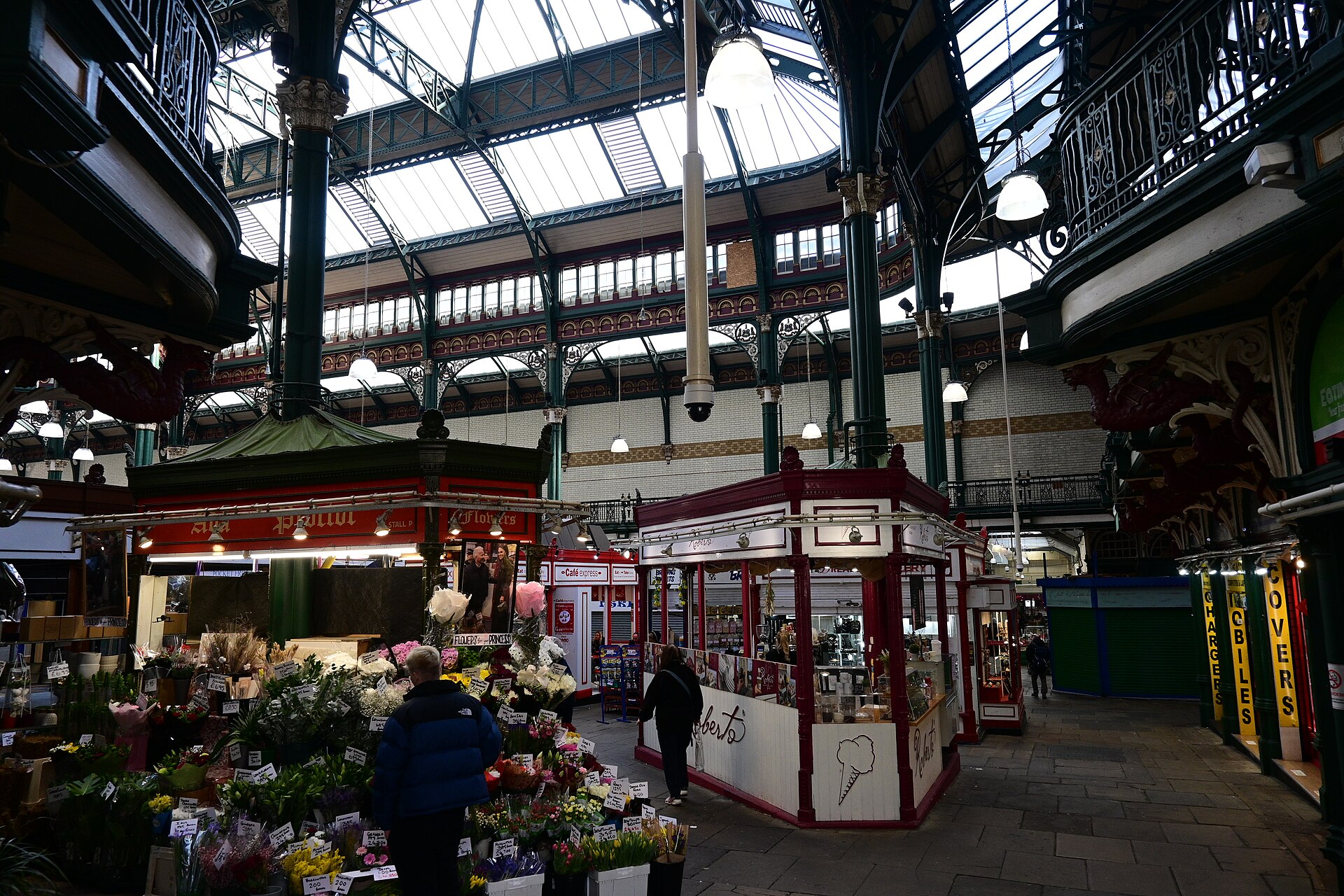

Leeds food hygiene ratings need a denominator. Our analysis of the Food Standards Agency’s Leeds register finds 4,221 records rated 5 among 5,613 with a numerical rating, giving 75.2%. The XML extract is dated 19 October 2026 and was downloaded on 20 October. Its full population is larger: 7,457 establishment records across the Leeds metropolitan district, including records awaiting inspection and those marked exempt.[2]
Which Businesses Are Included?
The Food Standards Agency, the public body publishing the ratings data, holds results on behalf of participating local authorities. Its register extends across restaurants, pubs, cafés, takeaways, hotels and food shops. For this analysis, Leeds means the authority area identified by FSA code 413. The metropolitan district’s geographic code is E08000035. These figures describe that district’s register, rather than a city-centre dining area.[1][2]
Business classifications also need care. Three familiar dining-related categories have the following record counts in the same snapshot. Each count uses an exact match to the published BusinessType label and retains every rating state within that category.[2]
| Exact BusinessType Label | Establishment Records |
|---|---|
| Restaurant/Cafe/Canteen | 1,913 |
| Takeaway/sandwich shop | 808 |
| Pub/bar/nightclub | 610 |
Those labels compare the sizes of register categories. They don’t establish their relative hygiene performance. Nor does Restaurant/Cafe/Canteen identify only places where the public can book a table. One original record, named “CRUSTODY”, lists HM Young Offenders Institution on York Road in Wetherby under that classification. Treating all 1,913 records as public restaurants would misdescribe the category.[2]
The Whole-Register Rating Distribution
Our analysis counts every establishment record in the Leeds XML, with no business-type or postcode restriction. Records are grouped by their exact RatingValue. The categories below are mutually exclusive, so an establishment awaiting inspection appears separately from establishments with a numerical rating.[2]
| Published Rating or Category | Establishment Records |
|---|---|
| 0 | 0 |
| 1 | 33 |
| 2 | 52 |
| 3 | 233 |
| 4 | 1,074 |
| 5 | 4,221 |
| Awaiting inspection | 1,643 |
| Exempt | 201 |
| Total | 7,457 |
The numerical categories contain 5,613 records. Counts for ratings 1 through 5 sum to that total, leaving no records rated 0 in this extract. Separately, 1,643 awaiting-inspection records and 201 exempt records account for the remainder of the register. Neither category has been converted into a score.[2]
What the 75.2% Figure Actually Measures
The calculation is 4,221 divided by 5,613, multiplied by 100 and rounded to one decimal place. It answers a specific question: among Leeds authority records carrying a numerical rating from 0 to 5 in this extract, what proportion carried a 5?[2]
Keep that qualification attached when sharing the figure. Calling it the percentage of all Leeds restaurants rated 5 would change both the population and the denominator. The calculation includes numerical ratings across all registered business types, while excluding awaiting-inspection and exempt records. It also cannot establish the corresponding percentage for takeaways, pubs or cafés individually.[2]
Inspection Dates and Unpublished Changes
A snapshot date tells you when the register was extracted. Each establishment’s RatingDate belongs to its own result. The FSA explains that ratings reflect the hygiene standards found on the date of the local authority’s inspection or visit. For example, the Wetherby institutional record carries a rating date of 26 March 2026, several months before this October extract.[1][2]
Publication can also lag behind new information. According to the FSA’s data guidance, NewRatingPending is true when an authority has uploaded new establishment data that remains within the notification or appeals period. A false value means no new data is in that publication workflow. It doesn’t establish that an inspection happened recently.[1]
Awaiting Publication has a separate meaning: the business has appealed its rating and the authority is determining that appeal. Keep it distinct from AwaitingInspection when reading an individual result. The October distribution above contains the categories actually recorded in this extract, rather than assigning every possible publication state a numerical score.[1][2]
Using the Figures Before Choosing Somewhere to Eat
For an individual business, match the establishment name and address or postcode, then read its published rating alongside its rating date and any publication state. Some businesses operating from private addresses have no published address or geocoding data, the FSA explains. A missing map location alone cannot establish whether a record belongs outside Leeds.[1][2]
The counts measure establishment records, with 7,457 unique FHRS identifiers in this extract. They don’t establish which premises are currently trading or open to diners. A hygiene rating also supplies no verdict on taste, service or an individual diner’s allergen requirements. This single snapshot cannot show whether Leeds hygiene standards are improving or deteriorating.[1][2]
The FSA updates its downloadable XML files daily and its live service as authorities upload and publish data. Before making a dining decision, check the individual business’s published entry again, especially if you’re relying on an older saved result.[1]
Sources and checks
These sources were used for this article. Availability, prices and service details can change after the stated check date.
- Download ratings data | title
Checked 20 October 2026.
Ratings reflect hygiene standards found on the date of the local authority inspection or visit. The register covers multiple food-business types, including food shops and places to eat. Private-address establishments may lack published address and geocoding information. Awaiting Publication concerns an appeal being determined by the local authority. NewRatingPending distinguishes unpublished data within the notification or appeals period from the absence of new data in that workflow. Downloadable XML files are updated daily and the live system changes as authorities upload and publish data.
- Leeds food hygiene open data
Checked 20 October 2026.
The quoted original record demonstrates an institutional canteen classified as Restaurant/Cafe/Canteen in Wetherby, within Leeds authority code 413. That establishment’s individual rating date is 26 March 2026. Hash-bound extraction metadata identifies an XML extract dated 19 October 2026, downloaded on 20 October 2026, for Leeds metropolitan district E08000035. Our full-register analysis counts 7,457 records and 7,457 unique FHRS identifiers, without business-type or postcode exclusions. Exact RatingValue counts are 33 rated 1, 52 rated 2, 233 rated 3, 1,074 rated 4, 4,221 rated 5, 1,643 awaiting inspection and 201 exempt. The numerical-rating denominator is 5,613. Subtracting the counts for ratings 1 through 5 leaves zero records rated 0. Our analysis calculates 4,221 divided by 5,613 multiplied by 100 as 75.2% to one decimal place. Exact BusinessType matches, retaining all rating states, count 1,913 Restaurant/Cafe/Canteen records, 808 Takeaway/sandwich shop records and 610 Pub/bar/nightclub records. Whole-register rating proportions do not establish rating proportions within individual business types or changes over time.